Decide what must stay
List the belongings you want to retain before asking for a full clear-out. Important documents, sentimental items and anything fragile should be identified, not left to assumptions on the day. If the loft has been affected by pests, avoid sorting through contaminated contents yourself; explain the situation and ask how the items can be assessed.
Describe the access honestly
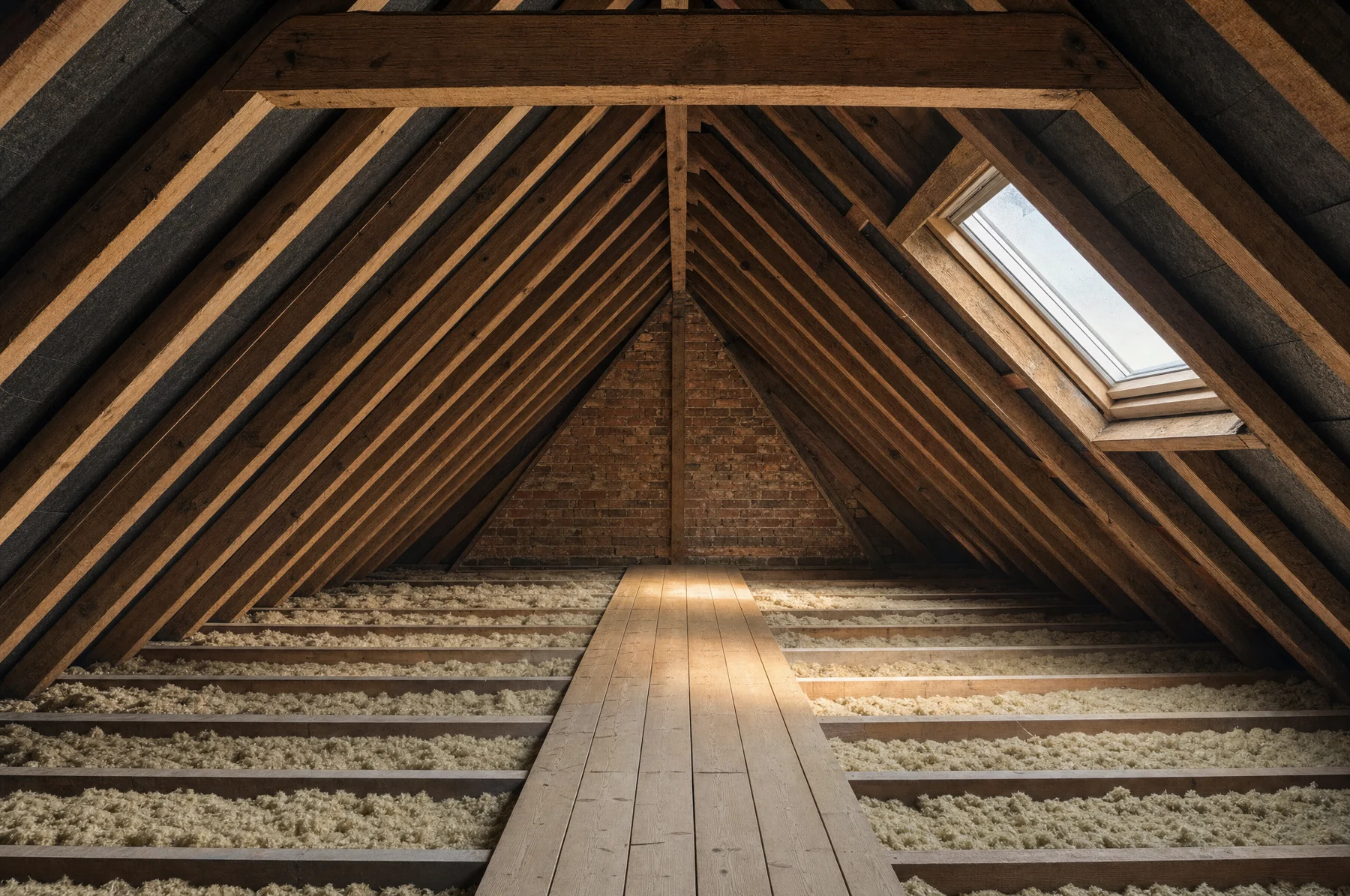
Include the hatch location, approximate opening size, ladder or stair access, available headroom and whether there is a usable floor. A large loft behind a small hatch can be a more involved job than a simple room clearance. Tell the contractor about the route through the house, parking and any restrictions on carrying material to a vehicle.
Separate ordinary contents from affected materials
Boxes and unwanted furniture are not the same as pest-contaminated insulation or unusual waste. Explain any known contamination or suspected hazardous material before requesting a price. Never disturb suspect asbestos to photograph or identify it. Specialist assessment may be needed before a clearance can be safely scoped.
Ask what the quote includes
Get clarity on removal, handling, cleaning and waste arrangements. If insulation is coming out, confirm whether its replacement is included; it usually needs a separate specification. Boarding, roof repairs, electrical work and conversion works should be named separately rather than implied by the phrase loft clearance.
Put the work in the right order
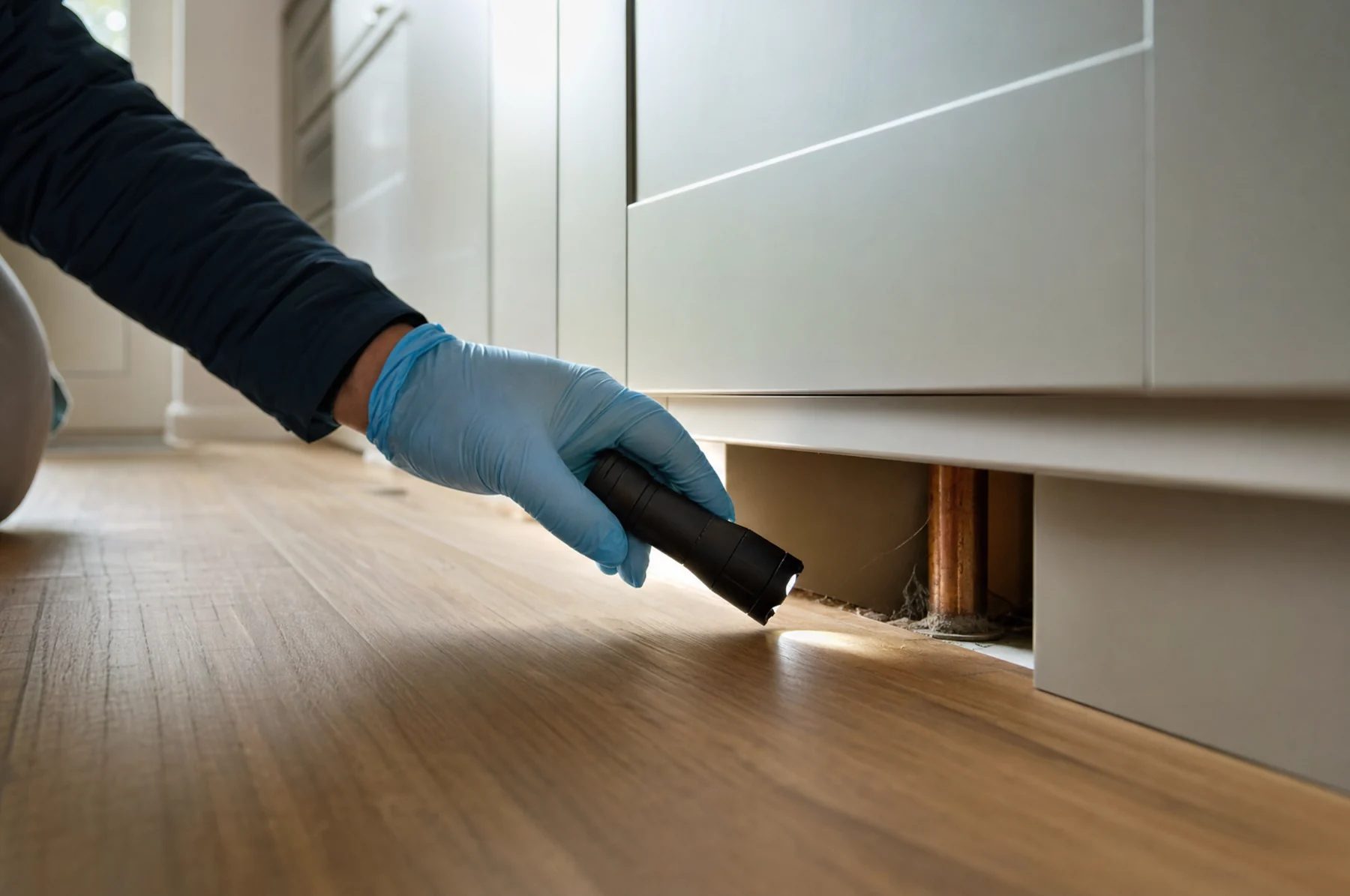
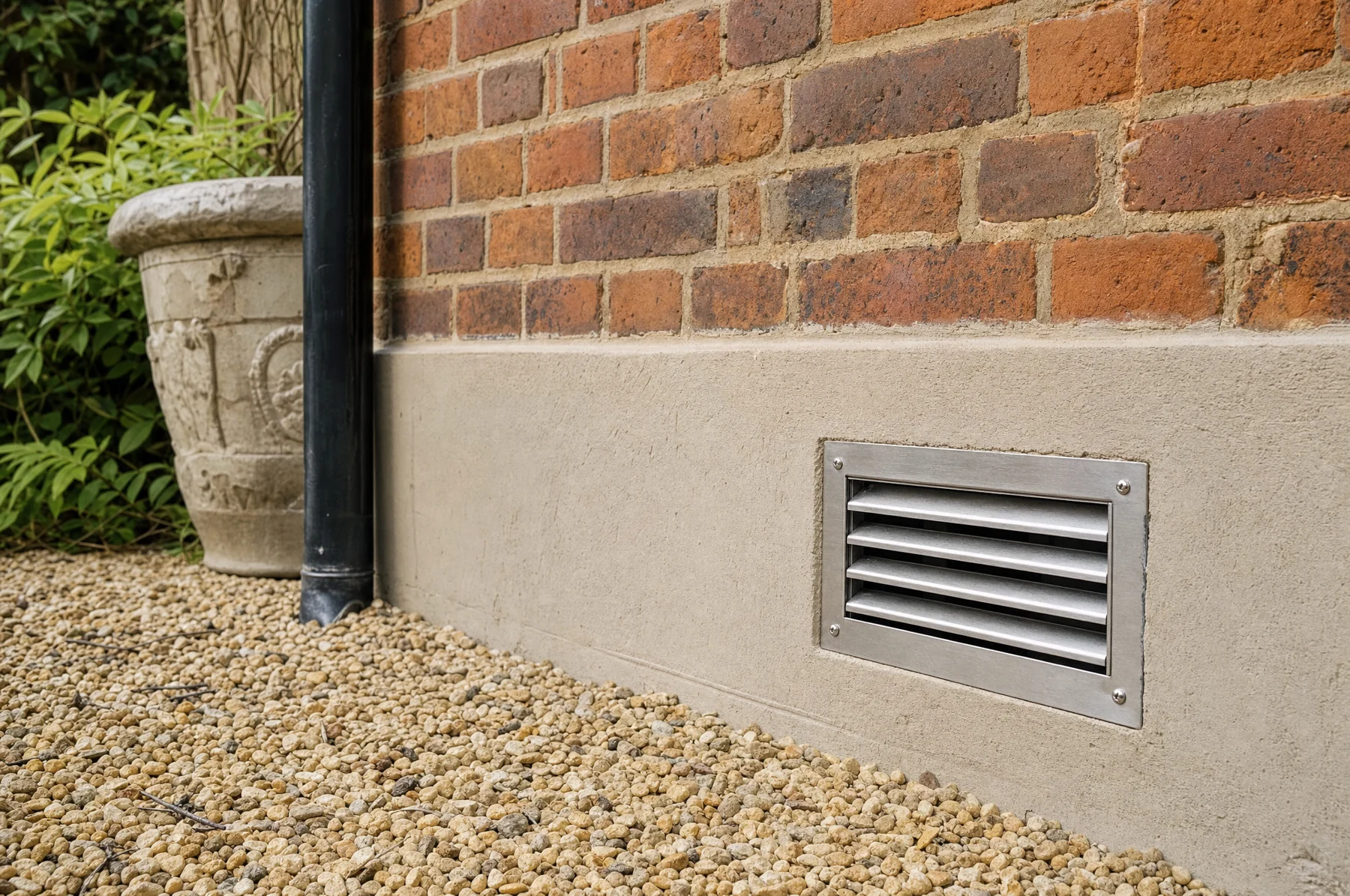
If pests are still active, clearance alone does not remove the cause. Discuss treatment and entry-point assessment before moving material. After a clear-out, the next contractor may need to inspect the space before installing insulation or boarding. A little coordination avoids paying for the same area to be opened up twice.