Rodents
Rat Control
Scratching in the walls, droppings in the kitchen or burrows outside? Rat control starts with finding where the activity is coming from, then treating the problem and dealing with the routes back in.
Bromley · South London · Kent & the South East
 Rat Control
Common signs
- New droppings or gnaw marks around food and storage
- Repeated scratching beneath floors or inside wall cavities
- Burrows beside a building, decking or an inspection chamber
Find the route, not just the rat
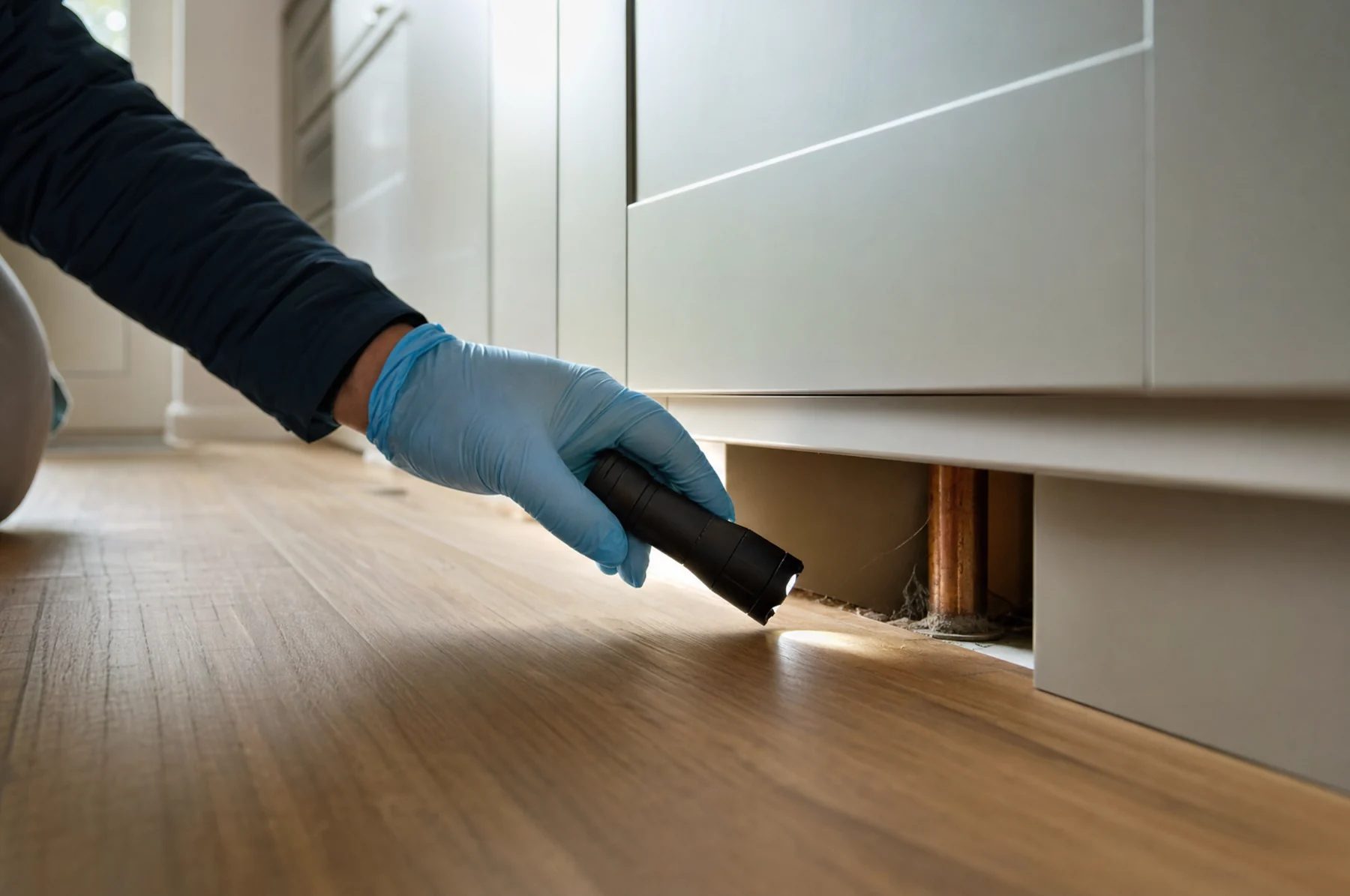
A sighting tells you rats are present. It does not tell you how they reached the property. Inspection should consider accessible entry points, food sources, waste storage and the pattern of activity. Tell us where you first noticed the problem and whether treatment has already been attempted. That history helps distinguish a continuing infestation from repeated entry.
Treatment and proofing belong together
The approach depends on the building, the extent of activity and the people and animals using the space. We explain the proposed treatment and any follow-up before work starts. Proofing recommendations may include openings around pipes, damaged vents and other defects. Access points should be assessed before they are sealed; blocking the wrong opening can leave the underlying problem unresolved.
When a drain survey is worth considering
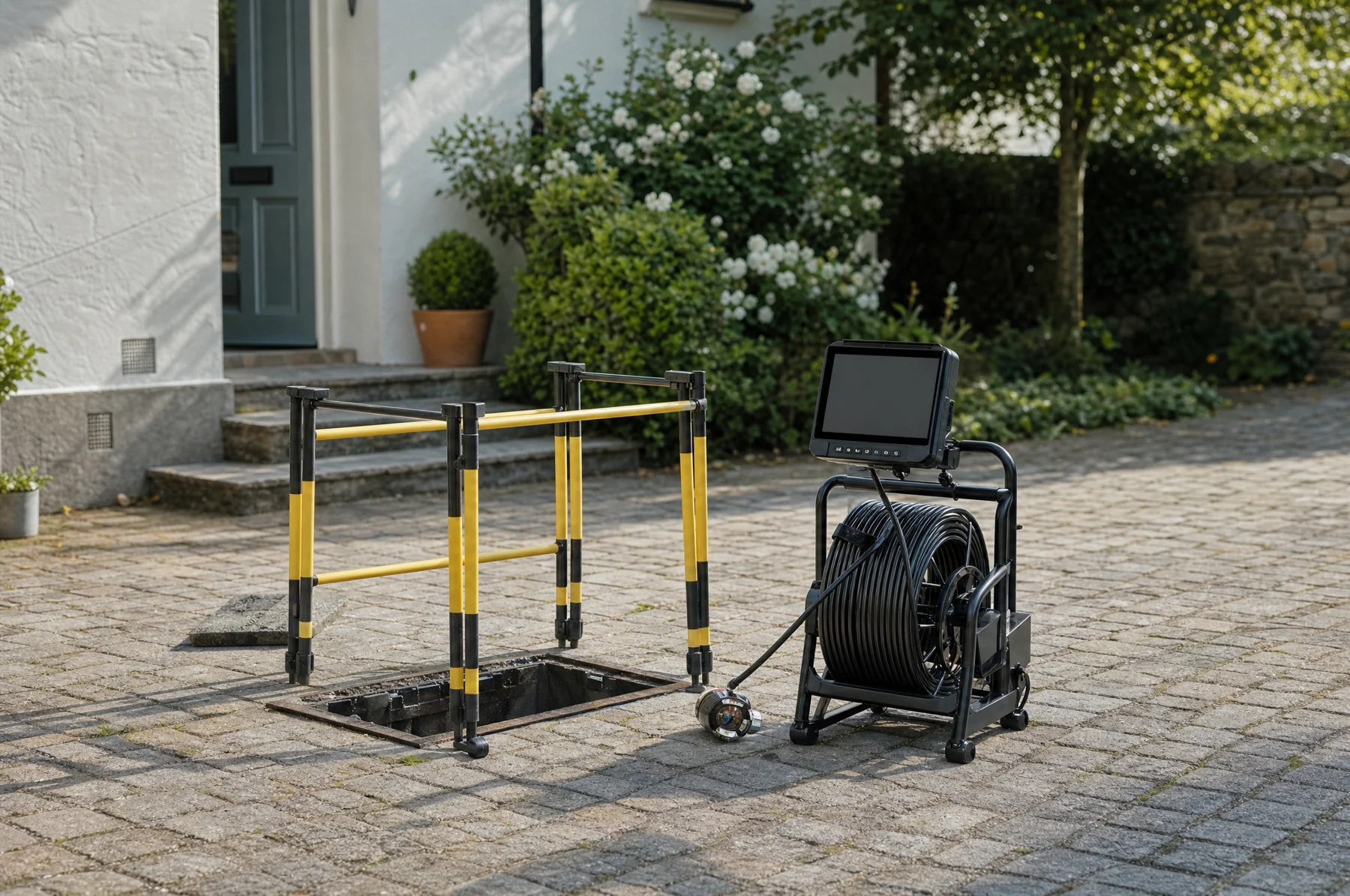
If rats keep returning despite work above ground, a drainage defect may need investigation. A CCTV drain survey can inspect accessible pipework for possible routes. It is a diagnostic step, not evidence that every rat problem starts in a drain. Any separate repair or drainage proofing should follow the findings and an agreed scope.
Brown rats and black rats
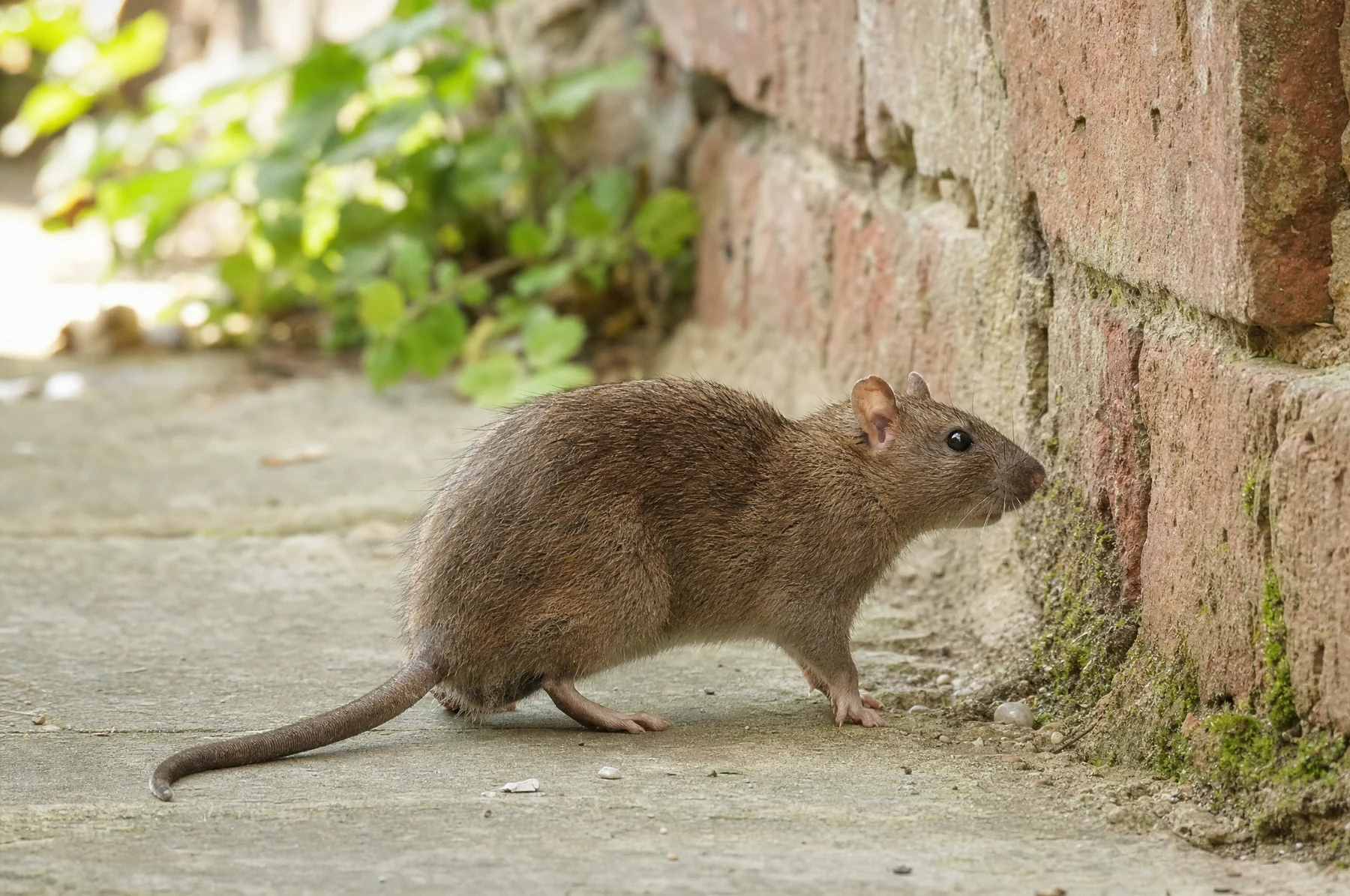
Almost all rats found in UK homes and businesses are brown rats, also called common or Norway rats. They are strong burrowers and swimmers and live in sewers and drains as well as gardens and buildings. They are much larger and heavier than mice, with a blunt nose and a thick tail that is shorter than the body. The black rat, or ship rat, is now rare in the UK and mostly limited to a few port areas.
Signs of rats
Rats are mostly active at night. Common signs include dark, spindle-shaped droppings up to around one to two centimetres long, often in groups; gnaw marks on timber, plastic and cables; burrows beside walls, decking, sheds and paths; greasy smear marks along walls and pipes; footprints in dusty areas; scratching under floors, in walls or in the loft; and a musty smell where activity is heavy. Rats are wary of new objects, so they can take time to approach anything new placed in their path.
What happens when you contact us
Tell us what you have seen
Call or email with your postcode and where you have seen signs of pests. You do not need to know which pest it is.
Inspection and treatment
We check for signs of activity and possible entry points, then explain the recommended treatment and price before work begins.
Preventing a return
We explain any follow-up and how to reduce the risk of pests returning. Proofing or cleaning, if needed, is priced separately in the quote.
Rat Control: common questions
Can rats return after treatment?
Yes, if access, food or harbourage remain. Ask about entry-point checks and the follow-up appropriate to your property, as well as treatment itself.
What should I do before a visit?
Keep food and animal feed sealed, keep children and pets away from affected areas, and note where you have seen activity. Do not move contaminated items through the house.
Do I need a CCTV survey?
Not automatically. Describe any recurring activity and previous treatment so the need for drainage investigation can be assessed.
Are rats a health risk?
Yes. Rats can spread leptospirosis (Weil’s disease) and salmonella through their urine and droppings. Keep food sealed and do not touch droppings or nesting material without gloves.
Do rats smell?
A heavy infestation often has a musty, stale smell from droppings and urine. If you notice a smell like this alongside other signs, tell us where it is strongest.
What is the difference between rats and mice?
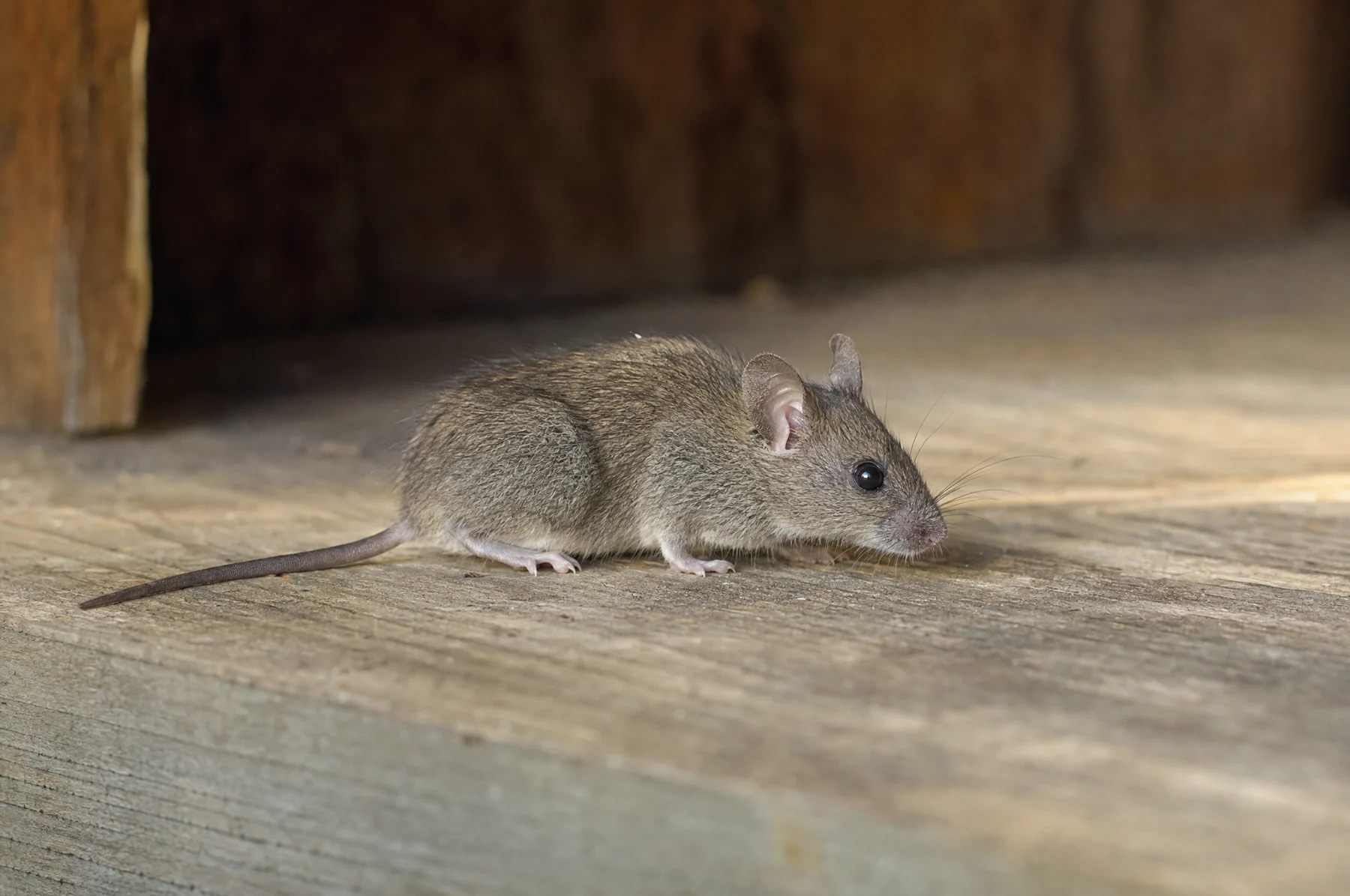
Rats are larger, with a blunter nose, a thicker tail and larger droppings. Mice are smaller and curious; rats are cautious about new objects. Both need prompt attention.
How much does rat treatment cost?
The size of the infestation, the property, access and any proofing or follow-up affect the price. Describe the signs and the property, and the recommended treatment and price are explained before work begins.
Related services
Mouse Control
Help with mice in kitchens, cupboards and lofts, including treatment and advice on closing entry points.
CCTV Drain Surveys
Recurring rats can have a hidden route. A CCTV drain survey investigates accessible drainage where the evidence suggests a possible connection to the pest problem.
Loft Clearance
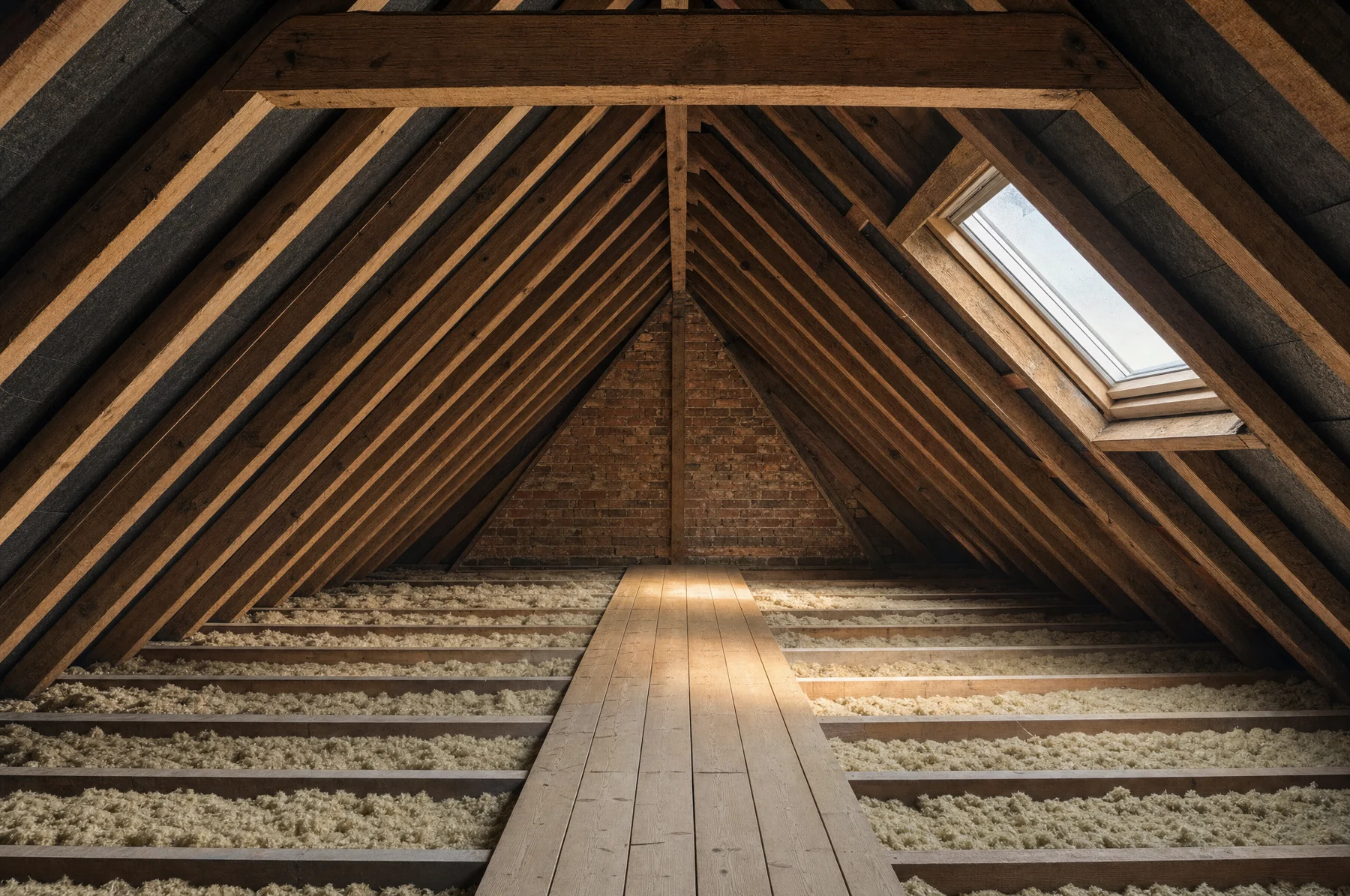
Loft clearance for unwanted contents, old storage and clean-ups after pest activity across Bromley, South London and Kent.
Rat Control in Bromley, South London and Kent
Bromley and Orpington, South and South East London, Kent and selected areas of Sussex. Give us your postcode to check availability.
All areas we coverNeed help with pests?
Call or email with your postcode and what you have noticed.