Separate continuing activity from a new entry
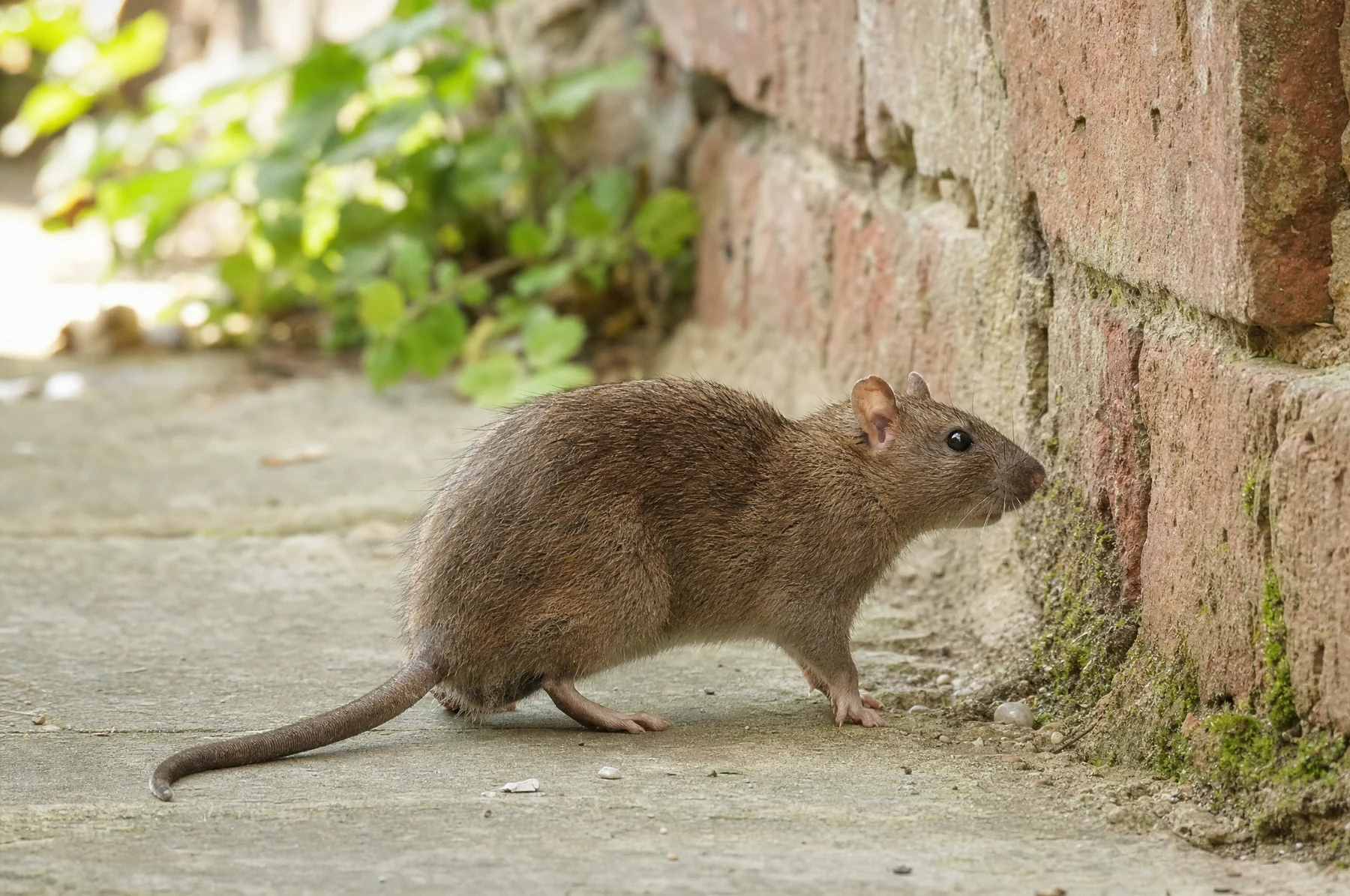
Record when the signs returned and where they appeared. A problem that never fully stopped is different from a new sighting months after a quiet period. Keep dates of earlier treatment and any proofing or building work. That history gives an inspection a better starting point than a general account that rats are always there.
Look at accessible food and shelter
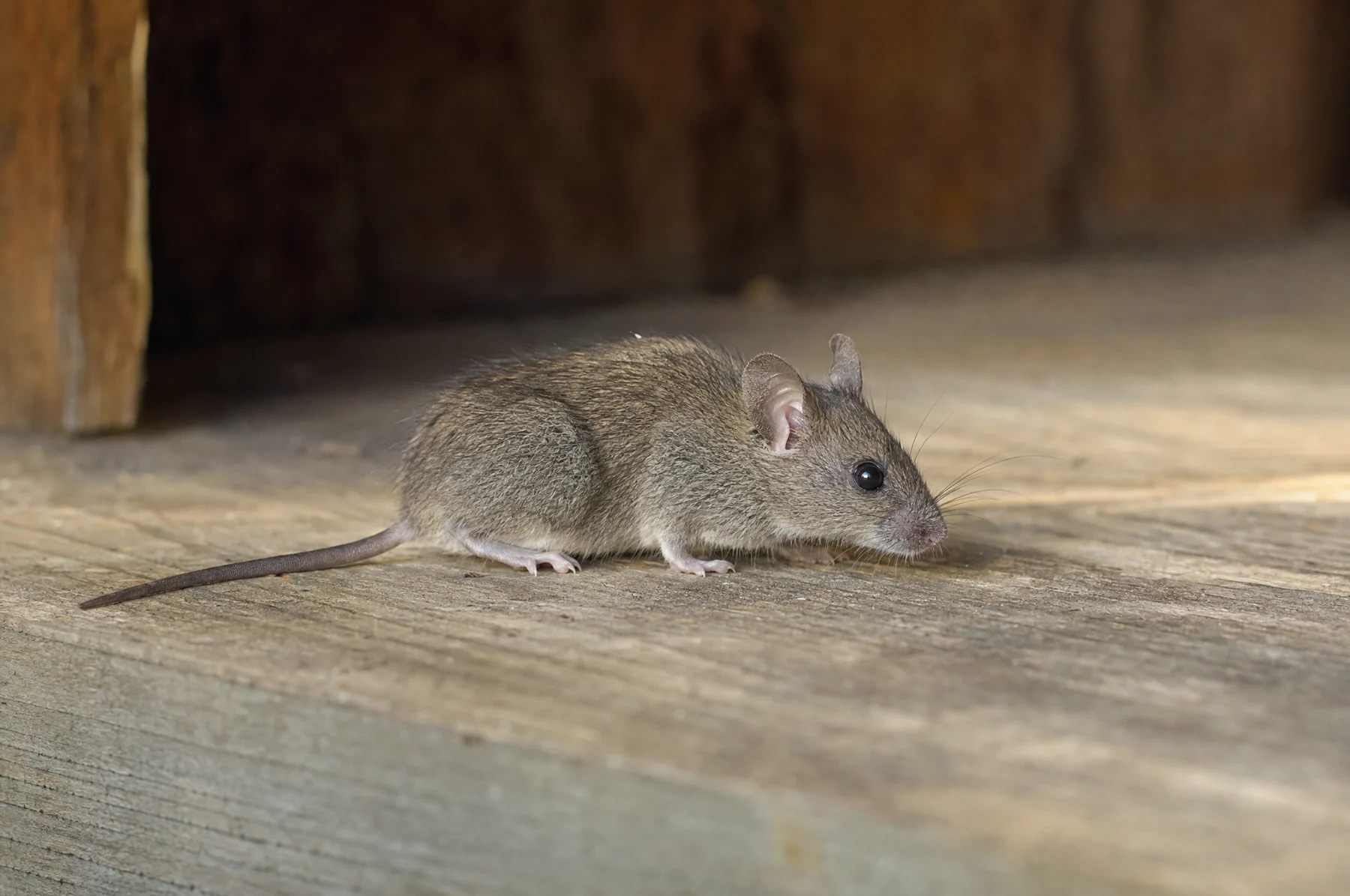
Open food stores, pet feed, poorly contained waste and sheltered spaces can support activity. Improving housekeeping is useful, but it does not prove that the entry route has been found. Avoid treating a clean-looking room as evidence that rats cannot be present in a connected void or underneath the building.
Check the building systematically
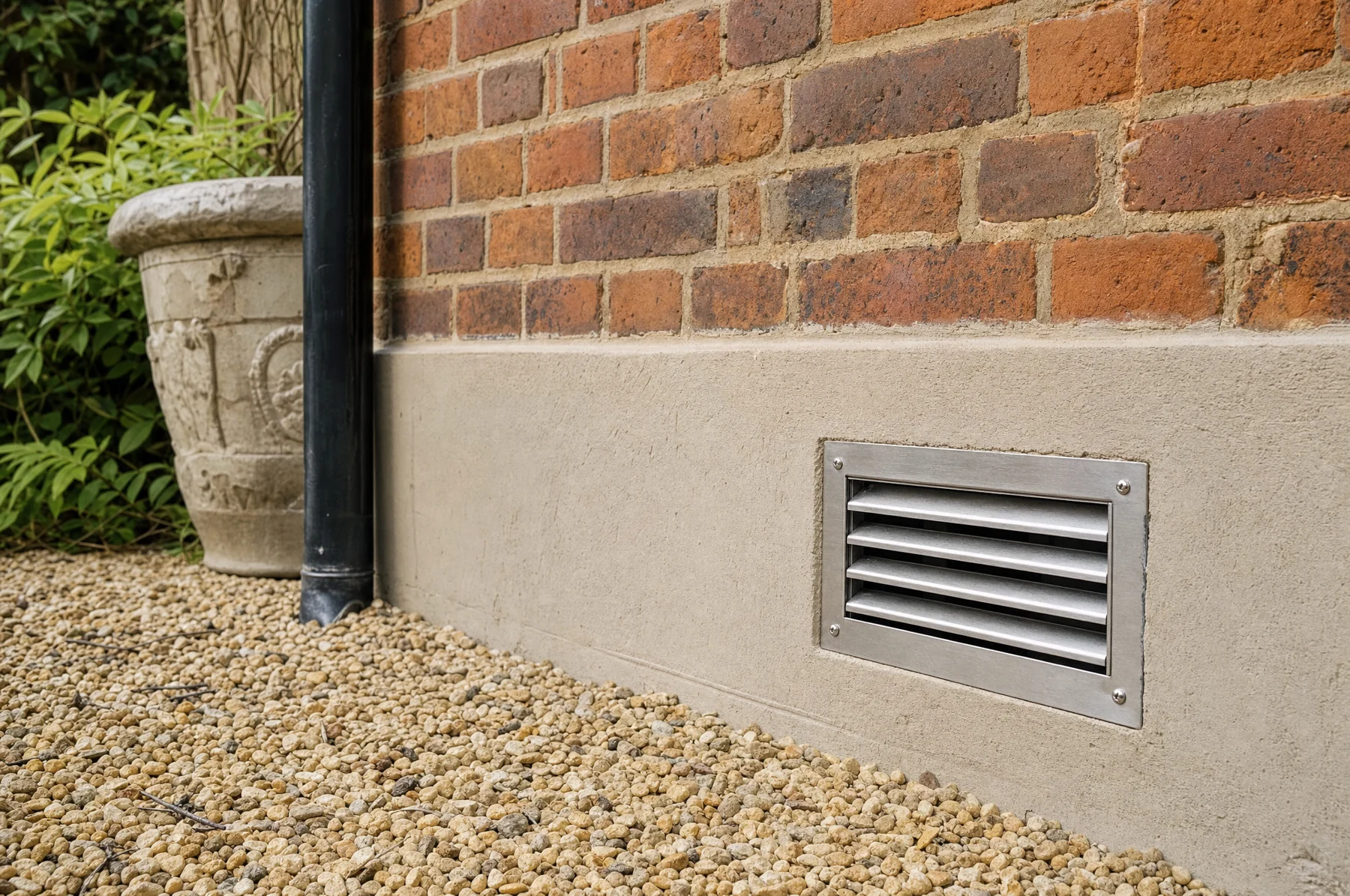
Gaps around services, damaged vents and other defects may be relevant. An inspection should consider the route into the property, not just the room where droppings were noticed. Do not seal suspected occupied spaces indiscriminately. The sequence of treatment and proofing needs to be planned around the actual findings.
Consider drainage when the evidence points there
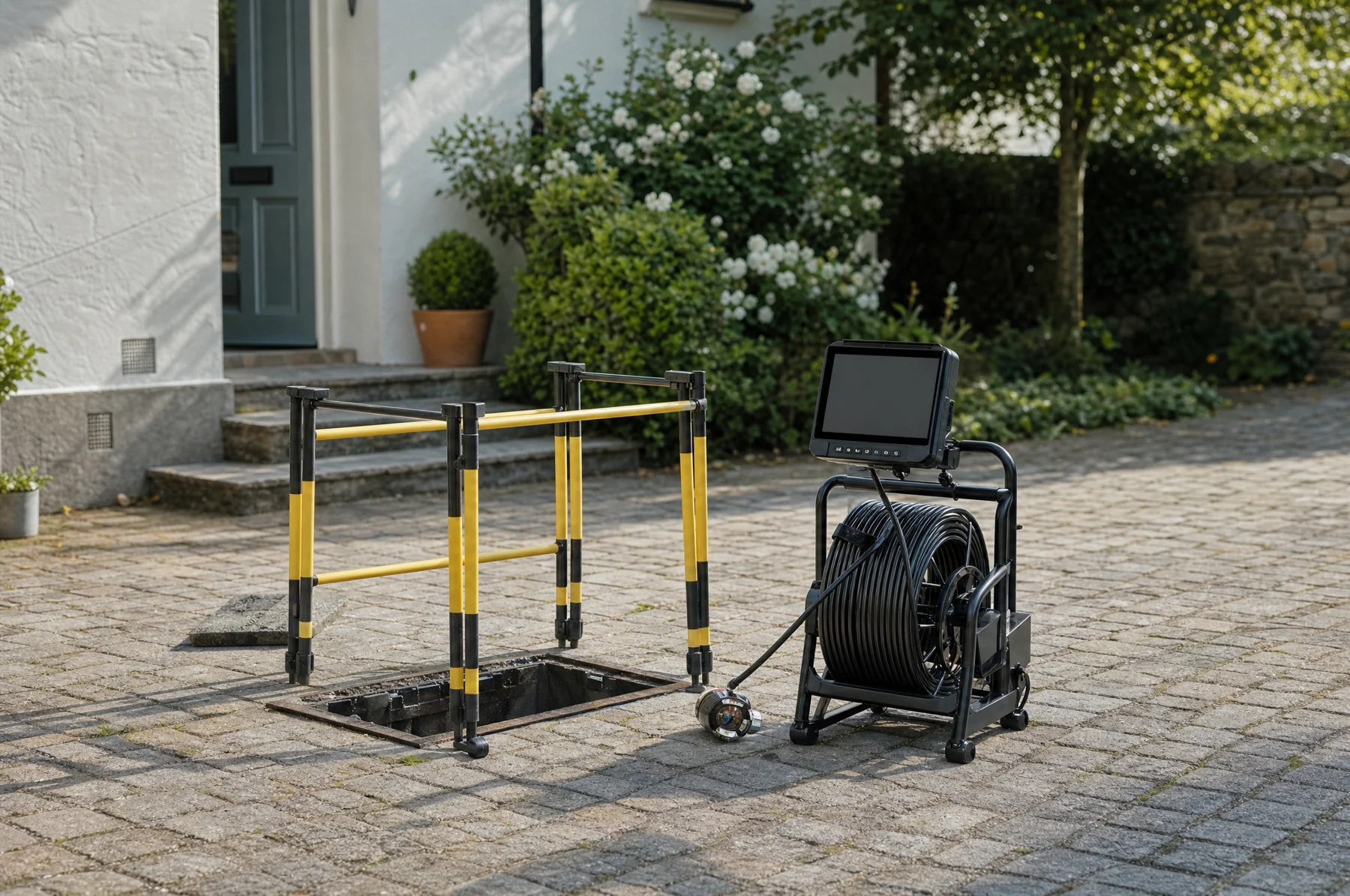
A drainage defect can create a hidden route, but not every rat infestation is a drainage problem. A CCTV survey is most useful when there is a clear question to investigate. Establish access, the sections to be surveyed and what evidence will be supplied. Repairs should be based on findings, not sold as a certainty before inspection.
Define what a successful follow-up will check
Ask which signs to monitor, when to report continuing activity and what further visits cover. Cleaning contaminated areas, repairing defects and securing food sources may be separate parts of the solution. A lack of sightings for a short period is encouraging, but it is not a lifetime guarantee against future entry.